Can Dogs Eat Durian? What Vets Say About the King of Fruits

Can dogs eat durian? The flesh is not toxic, but its high fat and sugar make it a poor treat — and the seed is dangerous. Safe limits and vet advice.

Can Dogs Eat Durian? What Vets Say About the King of Fruits
This guide is educational and isn't a substitute for professional veterinary advice. If your dog is showing concerning symptoms, contact your veterinarian or an emergency clinic.

Yes — but only just. Plain durian flesh is not known to be toxic to dogs, so a lick or a fingertip-sized taste will not poison a healthy dog. That said, durian is one of the least suitable fruits you can share: it is exceptionally high in fat and sugar, the seed is a genuine choking and blockage hazard, and the spiky husk can injure paws and mouths. Most vets would tell you to keep it to a rare, tiny taste — or skip it altogether.

Is durian toxic to dogs?

No specific toxin in durian flesh has been documented for dogs, which puts it in a different category from grapes or chocolate. But "not toxic" is not the same as "good for them."

Durian is closer to a rich dessert than a fruit. It packs far more fat than almost any other fruit, plus a heavy load of natural sugar. In dogs, sudden fatty meals are a classic trigger for vomiting, diarrhoea and — more seriously — pancreatitis, a painful inflammation of the pancreas that often needs hospital care. Dogs that are overweight, diabetic, or have a history of pancreatitis should not have durian at all.

How much durian is safe for my dog?

If you want to share during durian season, keep it to a rare treat — not a weekly habit — and stick to plain flesh only, no seed.

Dog size Example weight Maximum occasional taste
Small (Chihuahua, toy poodle, shih tzu) Under 10 kg A fingertip-sized piece — or better, none
Medium (beagle, Singapore Special, corgi) 10–25 kg 1–2 teaspoons of flesh
Large (golden retriever, labrador, GSD) Over 25 kg Up to 1 tablespoon of flesh

Whether it is Musang King or a kampung variety, the advice is the same: the richer the flesh, the smaller the taste. If your dog has never had it, offer the smallest amount and watch for 24 hours.

Are durian seeds and husks dangerous?

Yes, and this is where real emergencies happen.

  • Seeds are large, hard and smooth — the perfect shape to lodge in a dog's throat or intestine. A swallowed seed can mean choking on the spot or an obstruction that shows up a day or two later and needs surgery.
  • Husks are covered in rigid thorns that can cut paws, lips and gums. Dogs that try to chew or play with a husk can hurt themselves quickly.

During durian season, the biggest risk is often the rubbish. Discarded seeds and husks smell irresistible to a dog, whether at home, outside a fruit stall, or by the void deck bins. Double-bag durian waste and keep bins closed.

Why does my dog go crazy over the durian smell?

Durian's powerful sulphurous aroma is a magnet for dogs — a scent that strong reads as "food, urgently" to a canine nose. Interest is not the same as suitability, though. A dog begging hard for durian is telling you it smells fascinating, not that it is good for them. Keep opened boxes on the counter, not the floor, and never leave a dog alone with an open durian.

When should I call the vet?

Call your vet or an emergency clinic if:

  • Your dog swallowed a durian seed — do not wait for symptoms.
  • You see repeated vomiting, diarrhoea, a hunched or painful belly, or lethargy after your dog ate durian; these can signal pancreatitis, which needs prompt treatment.
  • Your dog chewed a husk and has mouth bleeding or paw wounds.
  • Your dog ate a durian dessert that may have contained xylitol, chocolate or alcohol — treat as urgent.

Durian season emergencies do not keep office hours. Save the number of a 24-hour clinic now — the Singapore Veterinary Association's clinic directory is a good place to start looking.

Which foods are genuinely toxic to dogs?

Durian being merely "unwise" should not blur the line with foods that are outright poisonous:

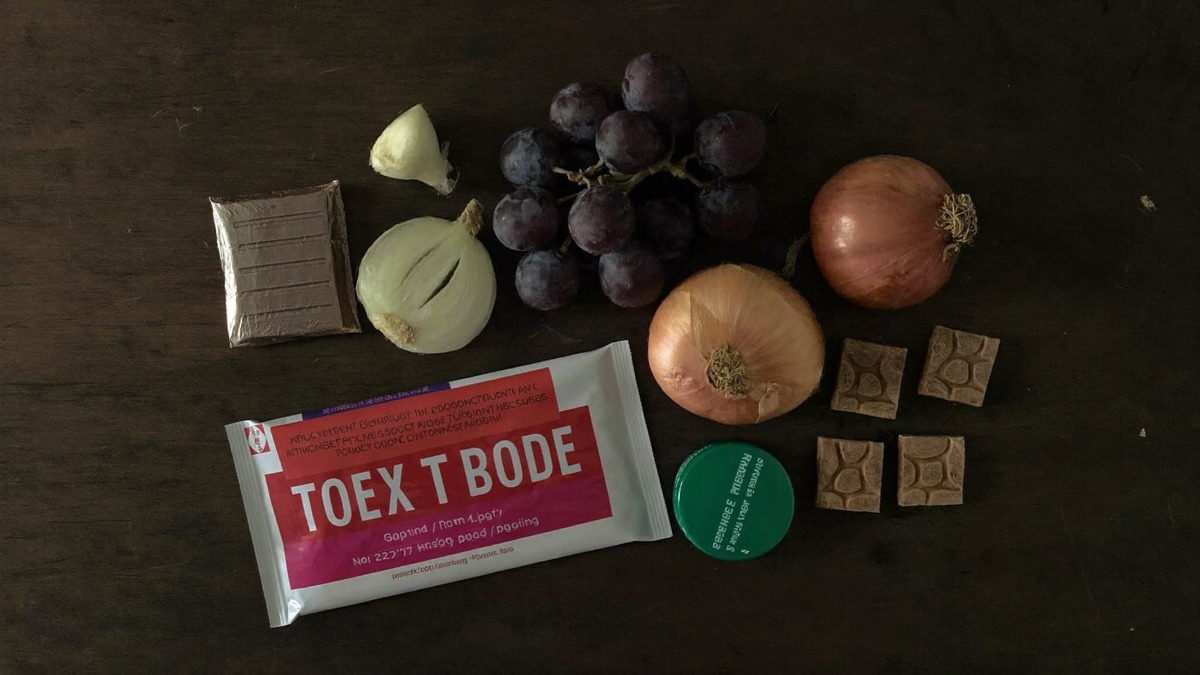
  • Grapes and raisins — can cause acute kidney failure even in tiny amounts.
  • Xylitol — a sweetener in sugar-free gum, candy and some desserts; rapidly life-threatening to dogs.
  • Chocolate, coffee and alcohol — all toxic, and all common around dessert tables where durian treats appear.

If your dog gets into any of these, call your vet immediately rather than waiting to see what happens.

Frequently asked questions

Can dogs eat durian seeds?

No. Durian seeds are large and hard, and a swallowed seed can choke a dog or block the intestine, which may require emergency surgery. Bin seeds and husks securely, because the smell draws dogs to the rubbish.

Is durian poisonous to dogs?

The flesh itself is not known to be toxic to dogs. The problem is that durian is extremely high in fat and sugar, which can cause stomach upset and raises the risk of pancreatitis. A rare, tiny taste is the most any dog should have.

Can dogs eat durian ice cream or durian desserts?

No. Durian ice cream, pengat, cakes and pastries add dairy, sugar and sometimes chocolate or xylitol to an already fatty fruit. Xylitol in particular is life-threatening to dogs, so keep all durian desserts out of reach.

Sources

  1. American Kennel Club — Fruits and Vegetables Dogs Can and Can't Eat
  2. Merck Veterinary Manual — Toxicology
  3. Pet Poison Helpline — Poison List