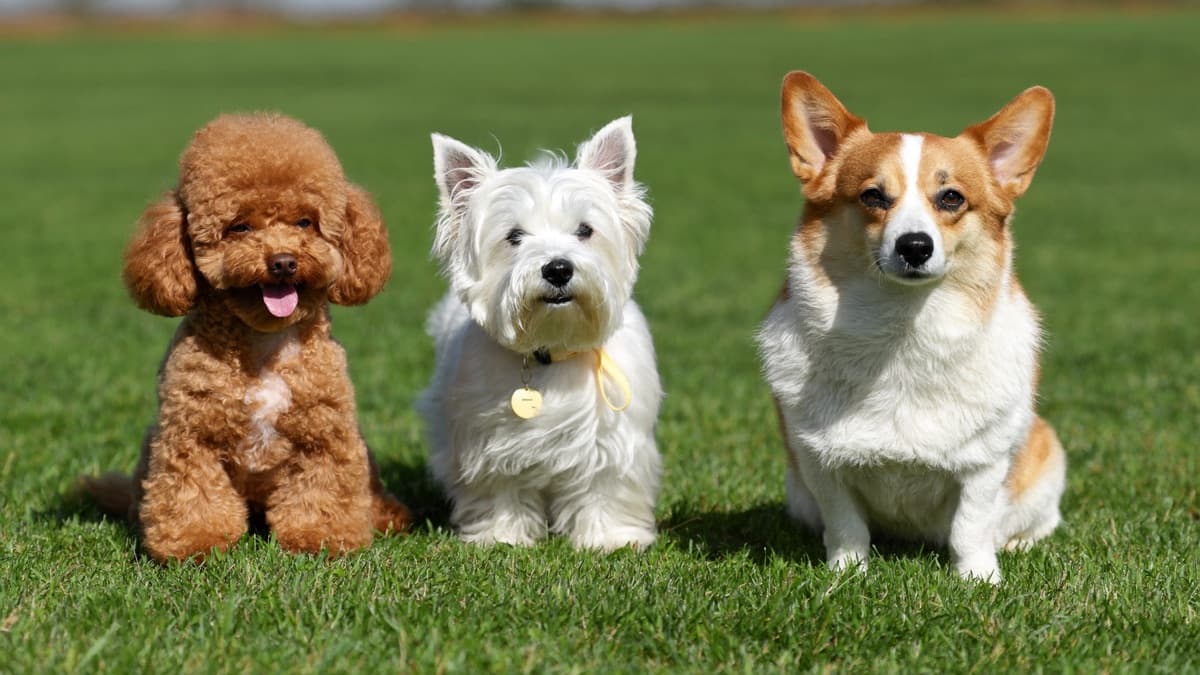
Three forces shape what people actually keep here: apartment living, the HDB approved-breeds list, and heat that never lets up. The result is a top ten dominated by small, indoor-friendly companions — plus a few social-media favourites that are harder matches for the region than their popularity suggests. Here is the honest version of the list, with the housing rules and climate realities attached.
Compare the housing and care considerations
Scroll sideways to compare all columns →
| Breed | Size | HDB-approved? | Heat tolerance | Grooming load | Good first dog? |
|---|---|---|---|---|---|
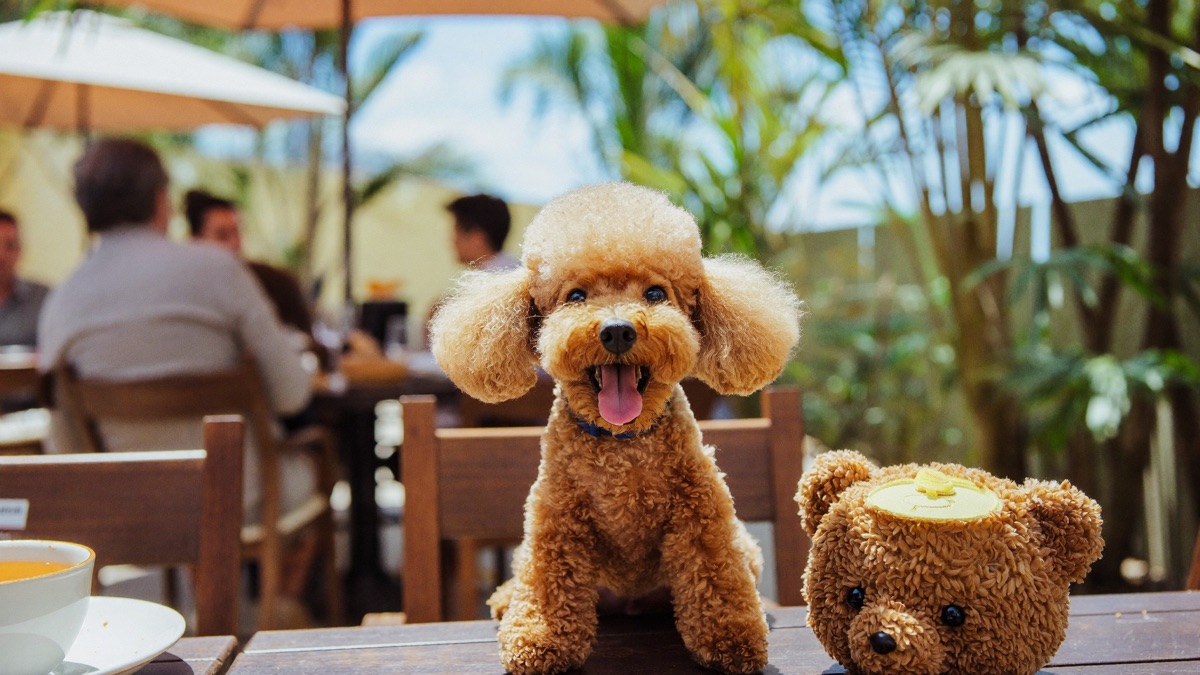
| Toy Poodle | Toy | Yes | Heat precautions needed | Regular care; depends on clip | Assess individual needs |
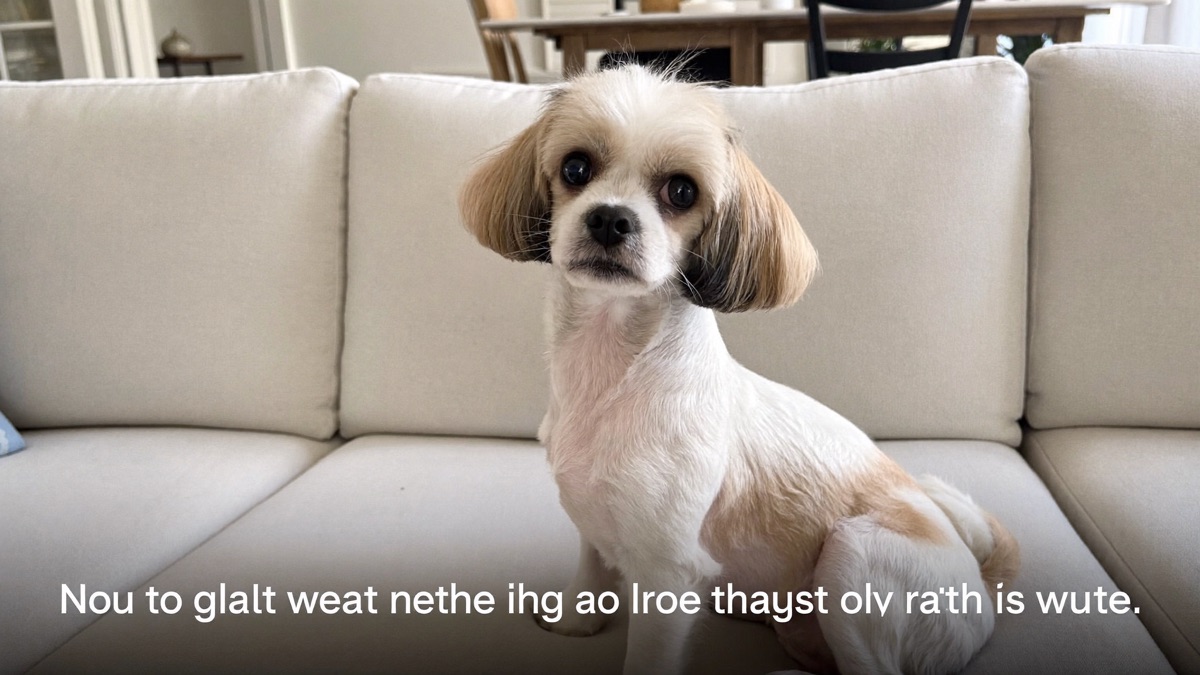
| Shih Tzu | Toy | Yes | Poor (flat-faced) | Heavy | Yes, with heat care |
| Maltese | Toy | Yes | Good | Heavy | Yes, if home often |
| Pomeranian | Toy | Yes | Moderate (thick coat) | Moderate-heavy | Yes, with training effort |
| Chihuahua | Toy | Yes | Good | Light | Mixed — needs socialising |
| French Bulldog | Small | No — private only | Very poor | Light (plus fold care) | No |
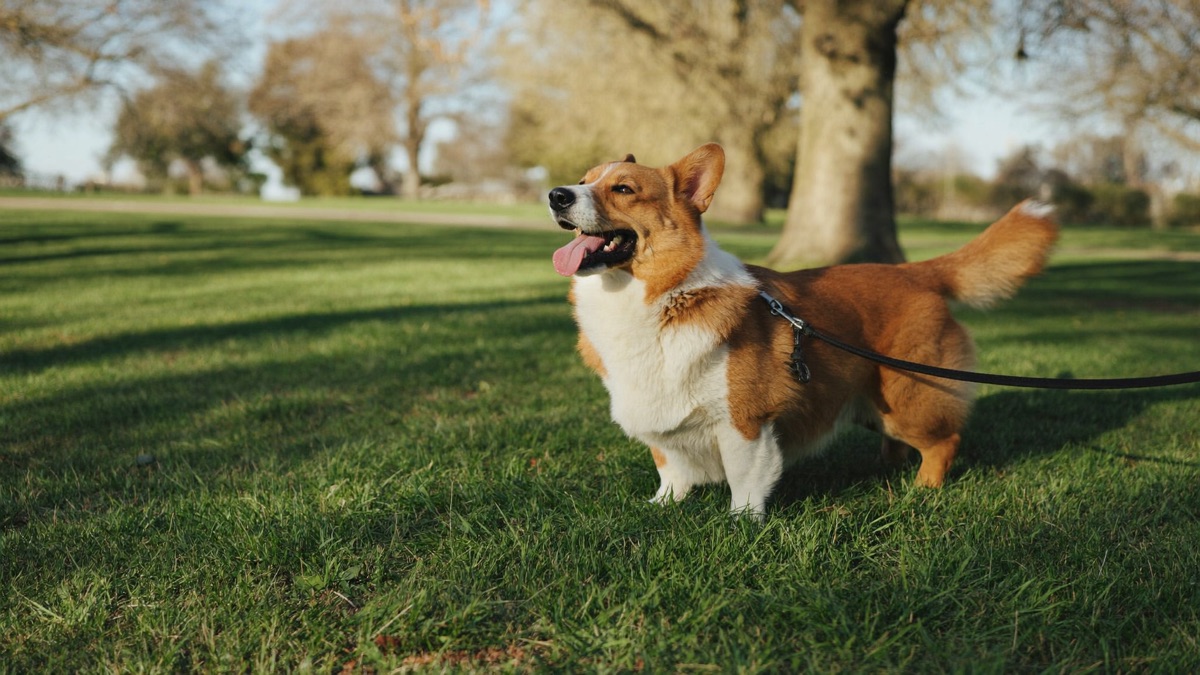
| Pembroke Welsh Corgi | Small-medium | No — private only | Moderate | Heavy shedding | No |
| Golden Retriever | Large | No — private only | Moderate | Heavy shedding | Yes, if housing/exercise fit |
| Miniature Dachshund | Small | Yes (Light/Miniature) | Good | Light-moderate | Mixed — back care, barking |
| Singapore Special | Medium | Via Project ADORE (≤55cm) | Heat precautions needed | Depends on the dog | Assess the individual |
HDB status above reflects the official list of 61 named breeds or varieties plus the listed-cross provision, checked on 26 September 2026 — always check the current rules before committing, and note HDB allows only one approved dog per flat.
1. Toy Poodle
Toy Poodles need activity and regular coat care; the AKC’s guidance describes both. Low shedding does not establish allergy safety, and behaviour or heat tolerance should not be assumed from size. Check the individual dog’s needs and housing permission. Full guide: Toy Poodle.
2. Shih Tzu
The classic HDB companion — calm, affectionate, and quieter than most toy breeds. But it is flat-faced, which means genuine heat risk in the tropics, plus high-maintenance eyes and a coat most local owners keep in a puppy cut. Wonderful for someone home often; wrong for midday joggers. Full guide: Shih Tzu.
3. Maltese
A gentle, people-obsessed lap dog that has been popular here for decades. Minimal shedding, maximal neediness: this is the textbook velcro breed, and separation anxiety is its defining problem. Tear staining and daily coat care come with the silky white hair. Full guide: Maltese.
4. Pomeranian
Big personality, tiny body, surprising amount of coat. Poms are alert, confident, and prone to alarm barking — a training project in a high-rise. The double coat needs regular work and makes them run warmer than other toys, though they cope if kept out of midday sun. Full guide: Pomeranian.
5. Chihuahua
The smallest breed of all, long-lived, cheap to feed, and genuinely heat-tolerant — Chihuahuas were built for warm climates. The honest part: undersocialised Chihuahuas become fearful and snappy, and they are more fragile around toddlers than their attitude admits. Socialise early and treat it like a real dog, not an accessory. Full guide: Chihuahua.
6. French Bulldog
French Bulldogs can have breathing problems that worsen in hot or humid weather. Ask a vet about the individual dog's needs before committing. They are not on HDB's approved pet-dog list; check housing permission and medical records using the full guide before deciding: French Bulldog.
7. Pembroke Welsh Corgi
Social media's darling is a working cattle dog on short legs: real exercise needs, ankle-nipping herding instincts, spectacular year-round shedding, and lifelong back care. Like the Frenchie, the Corgi is not on the HDB list, so it is a condo-or-landed proposition here. Full guide: Pembroke Welsh Corgi.
8. Golden Retriever
The family favourite in Malaysian landed homes and Singapore private housing. Goldens are as good-natured as advertised, but they are large, shed heavily, need serious daily exercise despite the heat, and carry high cancer rates. Not HDB-eligible, and not fair to keep in a small flat regardless of rules. Full guide: Golden Retriever.
9. Miniature Dachshund
Comical, devoted, and conveniently HDB-approved in the Light/Miniature variety. The non-negotiable is the back: Dachshunds have the highest IVDD risk of any breed, so ramps, lean weight, and no couch-diving are lifelong rules. They are also enthusiastic barkers for their size. Full guide: Dachshund.
10. Singapore Special and local mixed-breeds
Local mixed-breeds can be considered alongside pedigree dogs, but ancestry does not guarantee health or a predictable temperament. The RSPCA explains inherited-health risks in mixed-breeds, and the ASPCA describes the limits of behaviour assessments. Ask the rehoming team about the individual dog. For the current adoption route and conditions, see our Singapore Special guide.
What are the most common dog breeds in Malaysia?
The most common dogs in Malaysia are local kampung mixed-breeds, alongside the small pedigree breeds that fill the condos — Toy Poodle, Shih Tzu, Maltese and Pomeranian. High-rise living shapes that pedigree picture: in Kuala Lumpur, DBKL restricts strata units to a single small dog and prohibits breeds such as the Pit Bull — one of the banned and restricted dog breeds in Malaysia. What differs from Singapore is housing: Malaysia's larger stock of landed homes makes bigger dogs like the Golden Retriever, and those same kampung mixed-breeds, a far more practical choice than in HDB-bound Singapore. The climate trade-offs are identical — flat-faced breeds struggle most with the heat, and thick-coated breeds need more grooming than the tropics reward.
The paperwork, briefly
Whatever you choose, licensing is not optional. In Singapore, every dog must be microchipped and licensed with AVS, HDB flats are limited to one approved dog, and private premises are capped at three dogs without special approval. In Malaysia, dog licences run through local councils — DBKL, MBPJ, MBSA and others each have their own rules — and most high-rise strata buildings add by-laws on top, so read your building's house rules before you fall in love with a puppy photo.
How to choose
Check housing permission, then the individual dog’s health, daily care and support needs. Use our first-time-owner questions when meeting a dog. A longer muzzle or local ancestry does not remove heat risk; follow veterinary heat precautions for every dog.
Related guides: the Telomian, Malaysia's native breed, the kampung dog (Malaysian mongrel), Pomeranian prices in Malaysia. Singapore flat-dwellers can check any breed with the HDB-approved dog breeds checker.